

The Allure of Ambiance
The atmosphere within a casino is meticulously crafted to evoke specific emotions and behaviors from guests, and many visitors often find themselves intrigued by the vibrant offerings, including games like neosurf casino that enhance the overall experience. Lighting plays a pivotal role in this design, with bright, bold colors that catch the eye and draw players in. Soft, ambient lighting in certain areas promotes relaxation and encourages longer stays. Notably, many casinos avoid windows and clocks, creating a timeless environment where patrons lose track of time, allowing them to indulge without the constraints of the outside world. This intentional manipulation of the environment is crucial for maximizing player engagement and ensuring a captivating experience.
Sound is another significant element in the psychology of casino design; the auditory experience is carefully orchestrated to amplify excitement. The beeping of slot machines and the sounds of rolling dice create an engaging symphony that heightens anticipation. This soundscape is inherently tied to the gambling experience, making patrons feel as if they are part of a vibrant community, where the thrill of winning is just a moment away. These orchestrated touches help foster an immersive experience, drawing guests deeper into the casino’s embrace and keeping them engaged for longer periods.
Furthermore, the choice of décor influences player behavior significantly. Opulent designs with luxurious materials can elevate an individual’s perceived social status. Subtle cues within the design, such as plush carpets and ornate fixtures, give a sense of exclusivity, attracting a wealthier clientele. Moreover, this meticulous attention to ambiance isn’t just for aesthetics; it’s a calculated strategy aimed at enhancing emotional responses and driving profitability. By creating an inviting atmosphere, casinos ensure that patrons feel comfortable and valued, further encouraging them to explore the gaming options available.
Strategic Layout and Flow
The flow of a casino is designed to guide players through various gaming areas effortlessly, ensuring they encounter as many opportunities as possible. The layout often resembles a maze, strategically planned to keep players within the gaming zone. By placing popular games, such as slot machines, near entrance points, casinos can capture initial interest and incentivize longer playtime. This concept is not just about convenience; it’s about controlling the player’s journey through the gaming experience, ensuring they interact with a variety of games and amenities as they navigate the space.
Pathways are usually designed to be wide, allowing for easy navigation while promoting social interaction. This layout can also create a sense of discovery, where players stumble upon new games or areas as they wander. This element of surprise can lead to impulsive decisions, encouraging visitors to try games they may not have previously considered. These design decisions, which prioritize flow and accessibility, heighten the overall experience and maximize the potential for gaming revenue, ensuring that players remain engaged and entertained.

Moreover, the positioning of amenities such as bars, restaurants, and lounges is crucial in a casino’s design. By placing these areas strategically between gaming sections, casinos ensure that players can enjoy refreshments without straying far from the action. This seamless integration keeps the excitement alive while catering to players’ needs, ultimately melding comfort with entertainment. Such strategic placements not only maximize dwell time but also enhance revenue streams from both gaming and non-gaming services, creating a holistic experience for patrons.
Psychological Triggers and Rewards
Understanding psychological triggers is essential for effective casino design, as these elements subtly influence player behavior. The use of near-miss outcomes, particularly in slot machines, can create a sense of excitement and encourage continued play. When players experience these almost-wins, they may feel a rush of encouragement, leading them to believe that a win is just around the corner. This concept ties directly into behavioral psychology, illustrating how immediate rewards can lead to prolonged engagement and keep players invested in their gaming experience.
Casinos frequently utilize variable reinforcement schedules, where wins are random and unpredictable. This unpredictability fosters a sense of hope and excitement among players. Gamblers can become entranced by the prospect of a significant payout, driving them to stay longer and spend more. This approach takes advantage of innate psychological traits, compelling individuals to chase losses in pursuit of a victory. By creating an environment that plays on these psychological elements, casinos can effectively maintain player engagement and increase their overall spending.
Additionally, loyalty programs are designed to cultivate a sense of belonging and provide players with rewards for their continued patronage. These programs often employ tiered systems, where the more one plays, the better the rewards. This gamification of loyalty fosters a competitive edge among players, reinforcing the desire to return and play more frequently. Together with the other psychological elements present in casino design, loyalty programs create a lucrative cycle of engagement and spending, ensuring that players feel valued and appreciated for their patronage.
The Role of Branding in Casino Design
The branding of a casino significantly impacts its design and overall atmosphere. A well-defined brand identity not only attracts specific demographics but also influences the design choices made throughout the establishment. For example, a casino targeting high rollers may prioritize upscale design elements, elegant décor, and exclusive areas, while family-friendly casinos might incorporate playful themes and brighter colors to create a jovial environment aimed at appealing to a broader audience.
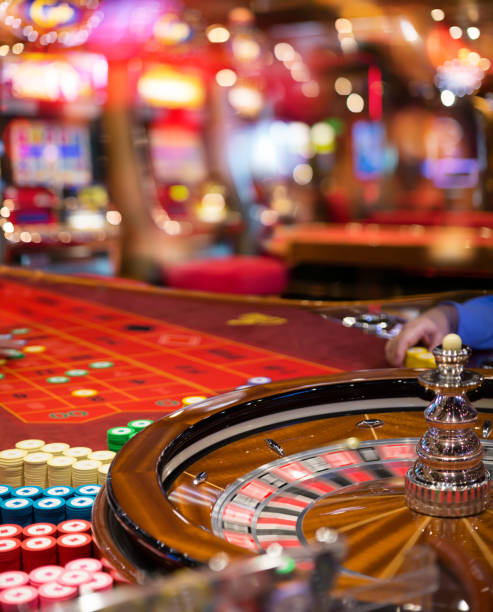
Branding extends beyond visual elements; it encompasses the overall experience that guests can expect. Successful casinos create narratives through their designs, encouraging visitors to engage with the theme and immersing them further into their world. This thematic consistency can create lasting impressions, prompting guests to share their experiences with others and promoting brand loyalty. The more aligned the design is with the brand’s identity, the more likely guests are to return, ensuring a steady flow of patrons and ongoing profitability.
Moreover, casinos often utilize marketing strategies that reinforce their design philosophy. Events, tournaments, and entertainment options are aligned with the brand identity, creating additional touchpoints that make the casino memorable. By fostering a unique environment that resonates with their target audience, establishments can cultivate a loyal customer base. This approach demonstrates how branding and design are intertwined, with each influencing the success of the other and solidifying the casino’s place in a competitive market.
Exploring More Insights
To delve deeper into the intriguing world of casino design and its psychological implications, one must consider the continuous evolution of this industry. As casinos adapt to changing customer preferences, the importance of research and analytics cannot be overstated. Organizations that understand and implement psychological principles within their design strategies are often the ones that stay ahead of the competition, maintaining relevance and appeal in an ever-changing landscape.
As technology and entertainment evolve, so too will the approaches to casino design. For instance, virtual reality gaming may soon become a compelling factor in creating immersive experiences that blend traditional gaming with innovative technology. Online platforms will also influence brick-and-mortar design as casinos strive to provide unparalleled experiences that cannot be replicated online, shifting the dynamic of customer expectations and engagement.
In conclusion, the intersection of psychology and casino design is a multifaceted area that warrants exploration. From creating inviting atmospheres to manipulating player behavior through strategic layouts and branding, the insights gleaned from understanding these elements can help both players enjoy their experience and operators maximize their profitability. By continuously innovating and adapting, the casino industry can remain vibrant and engaging for years to come, ensuring a dynamic experience that keeps players returning for more.